

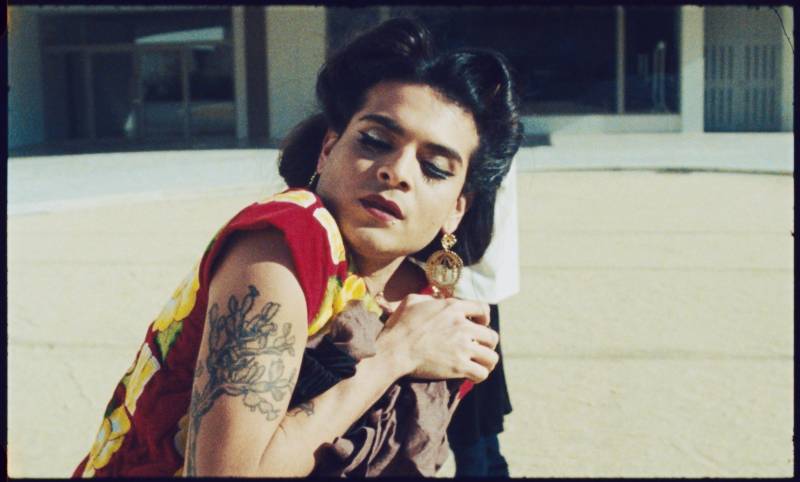
Danses interdites
Collective Exhibition
Echoing Rossy de Palma’s career and commitments, the exhibition brings together works by artists that bear witness to forbidden dances or acts of emancipation, through images, movement, bodies, or words. Installations and screenings are complemented by performances at the festival’s opening.
Curator : Clément Postec
This program is intended to resonate throughout 2026, in Barcelona (Loop Barcelona Festival). Le Nouveau Printemps marks the first installment.
Rossy de Palma arrived in Madrid in the 1980s. The city was emerging from a long dictatorship, and the young woman discovered the liberating power of music and cinema.
Under Franco’s regime, several dances were devalued, censored, or banned. They were perceived as immoral, foreign, or subversive, associated with other cultures—foreign or non-Catholic—or with local and regional identities threatening national unity.
In France as well, regional dances were sidelined in favor of national unity. As early as the Revolution, in 1793, the Farandole was banned in Provence. The clergy banned the Bourré in the regions of the Massif Central, in Auvergne, in Limousin, but also in Brittany, where they were concerned about “fest noz” and went so far as to ban the Round in public squares in the Pagan region (northern Finistère). Clandestine dances were then organized, representing cultural resistance to state or religious oppression.
Every era, every region of the world seems to have been caught up in this logic: dance is a cultural expression. It constitutes the essence of individuality and collective power. As such, it embodies a threat or the possibility of resistance to power, whether national or colonial. In doing so, dance is also one of the resources of folklore: a culture massified for the sake of a single narrative, an ideology, or an economy. A pure expression of freedom or a tool of domination, the ambivalence is complex.
The body of work gathered here is infused with a feminist and queer perspective. From Salome to Scheherazade to the tragic events in Iran, female figures who dance under the male gaze—and all that it represents in terms of domination—haunt mythology right through to contemporary works. The artists’ gestures emerge as narrative strategies through which individuals and groups reclaim control over their own stories. These are thus images or scenes that seek to rebalance the disparities within the relational structures between the self and the norm, or the subject and history. Following the principle of “forbidden dances,” which, by manifesting themselves, reveal the prohibition itself, the dual motif of movement and its impediment, of constraint and freedom, emerges. In limbo, the body oscillates between its embodiment and its disappearance. The joy of moving and existing on one’s own terms emerges.
Far from being exhaustive and open to contributions, the program aims to be cross-disciplinary and transregional. A tribute to the forces of the Spanish Movida of the 1980s, the films and performances celebrate dances and gestures for their effervescence and free expression, envisioning the formation of an international movement of claims by beings and multiple identities.
With :
Vir Andres Hera
Dalila Dalléas Bouzar
Paloma de la Cruz
Caroline Déodat
Darius Dolatyari-Dolatdoust
Gabriel Fontana
Juan Francisco González
Saodat Ismailova
Smail Kanoute
Paul Maheke
Caroline Monnet
Ben Russell
Grégoire Schaller
Rebecca Topakian
Ahmed Umar
Ana Vaz
Ulla Von Brandenburg
Nicolas Verschaeve Studio (scenography)
The group exhibition Forbidden Dances can be seen at several venues: José Cabanis Media Library, Garage Bonnefoy, Bonnefoy Cultural Center, Les Herbes Folles, IPN Artists’ Studio.
RELATED
Additional screening sessions:
- Let’s Dance!, a program presented by Pascale Cassagnau,curator and collection manager, with the support of the National Center for Visual Arts.
An exhibition conceived and produced by Le Nouveau Printemps, in co-production with ¡Viva Villa!, a network of French artist residencies abroad, the National Center for Visual Arts, and La Place de la Danse – National Choreographic Development Center of Toulouse Occitanie.
Paloma de la Cruz’s invitation is supported by a grant from Acción Cultural Española (AC/E), as part of the Programme for the Internationalisation of Spanish Culture (PICE).
The invitation extended by Nicolas Verschaeve and Darius Dolatyari-Dolatdoust received support from Pupitre France and the Culture Department of Wallonie-Bruxelles International (WBI), in collaboration with the Wallonia-Brussels Center | Paris (CWB), as part of its “Hors-Les-Murs Constellations” program.
The invitation of Caroline Monnet, a Quebec artist of French and Anishinaabe descent, is supported by the Quebec Government Office in Paris.
The festival would like to thank ppa • architectures and Poison for hosting the festival at their venues.
The festival thanks the Centre Culturel Bonnefoy and the Media Library José Cabanis for its hospitality.
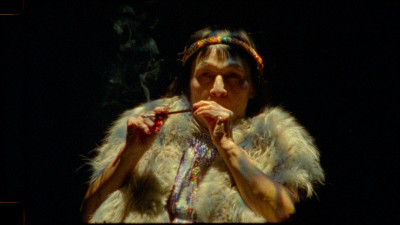
Le Daftar, 2022. And the category is, face! ©Vir Andres Hera, Chinampa
Le Daftar, Vir Andres Hera, film (extract) , 2023
Building on a research project launched in 2019, Les langues de la Pythie is Vir Andres Hera’s first solo exhibition in France. Within an immersive installation, the film Le Daftar depicts the timeless and symbolic journey of four characters portrayed by Ife Day, Daniel Galicia, Fabienne Guilbert Burgoa, and Léonce Noah. They traverse sites emblematic of Europe’s colonial past. Their personal stories intertwine with the collective histories of the countries they come from, exploring migratory trajectories, points of memory, and the untranslatability of pain and communion. Les Langues de la Pythie presents 3 of the 6 existing chapters of the Le Daftar project.
On view at the José Cabanis Media Library
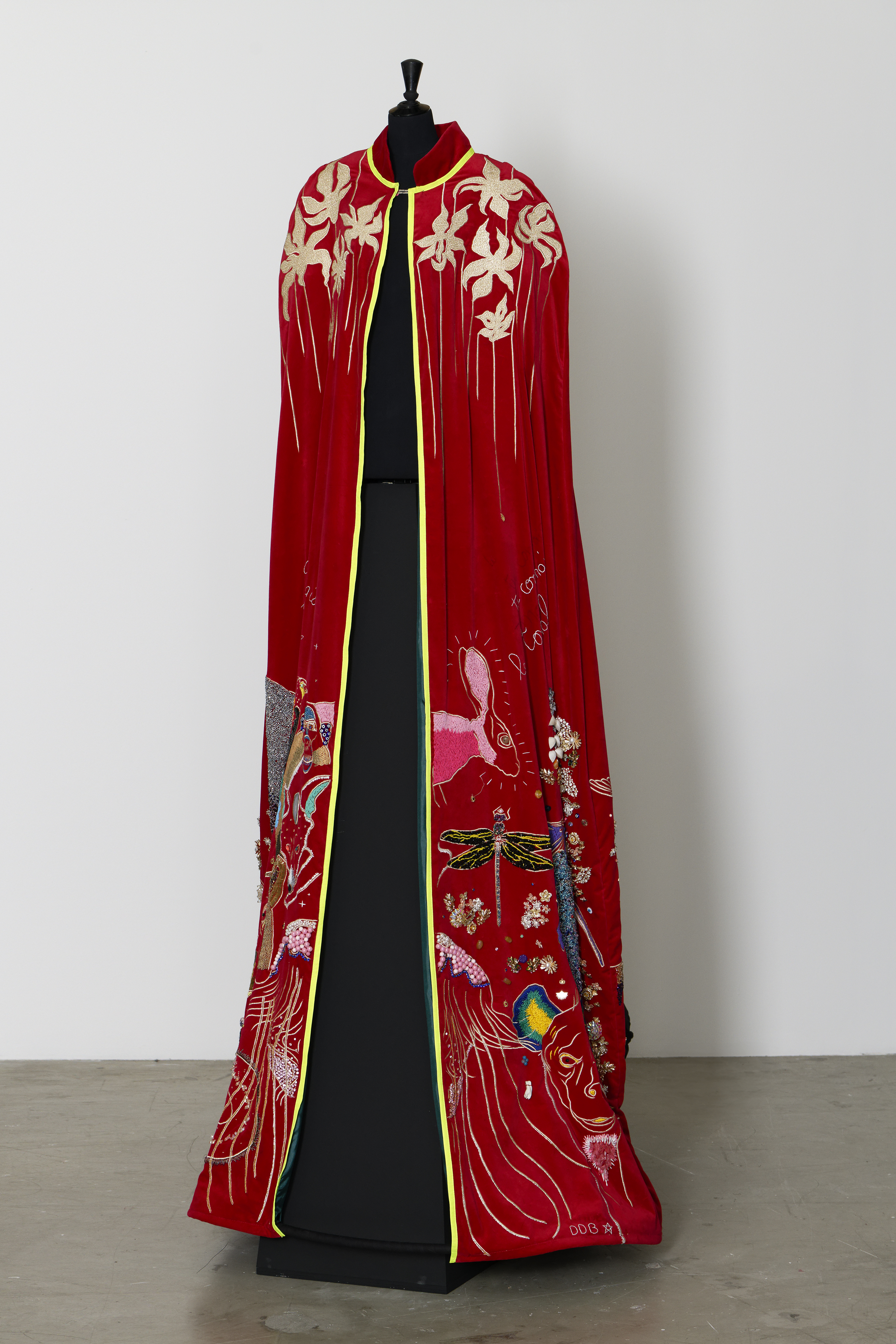
"L'arche" (The arch), Dalila Dalléas Bouzar, 2023
Dalila Dalléas Bouzar, Burnous (untitled), embroidery, 2026 / Villa Swagatam
Situated at the heart of the exhibition Forbidden Dances, itself at the heart of the Cabanis Media Library, this burnous reminds us of the power of resistance—whether embodied in exile or as a moral quest for shelter, even a makeshift one, for ideals. As a counterpart to the body, an outer skin, the cloak is a central figure in the artist’s work. It embodies displacement, exile, and nomadism—movements common to all human civilizations—and serves as a symbol of the body’s dignity.
On view at the José Cabanis Media Library
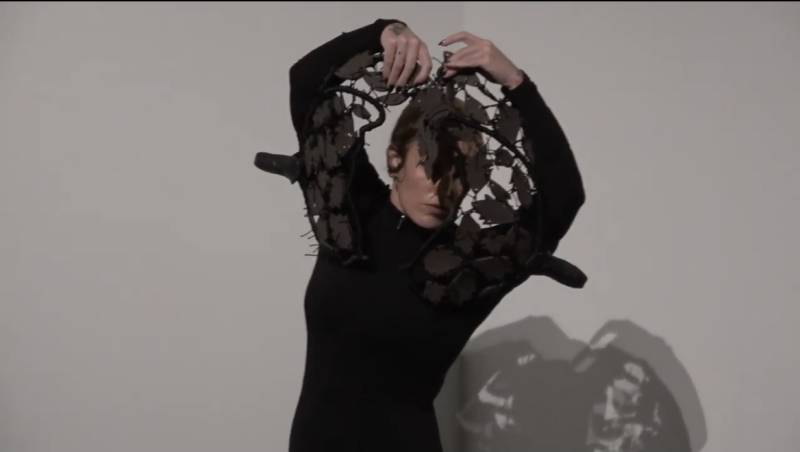
Dance for the Bat Who Wanted to Be a Fan, Paloma de La Crus, 2025
Danza para el murciélago que quiso ser abanico (Dance for the Bat Who Wanted to Be a Fan), Paloma de la Cruz, 2025 (ceramic and video installation) / Casa de Velázquez
Danza para el murciélago que quiso ser abanico is a performance born from the intersection of myth, the body, and sound. Inspired by the Eastern legend that attributes the invention of the folding fan to the wings of a bat, the work reinterprets this ancestral gesture through “wings” made of black ceramic. Each fragment, with floral shapes, is sewn together to create a bodily architecture that unfolds and folds like a fan. On stage, movement transforms the object into an extension of the body, and the sound of the ceramics clinking together becomes a rhythmic heartbeat. Dance thus becomes a contemporary ritual where the memory of the fan dialogues with the strength, tension, and rhythm of flamenco.
On view at the José Cabanis Media Library
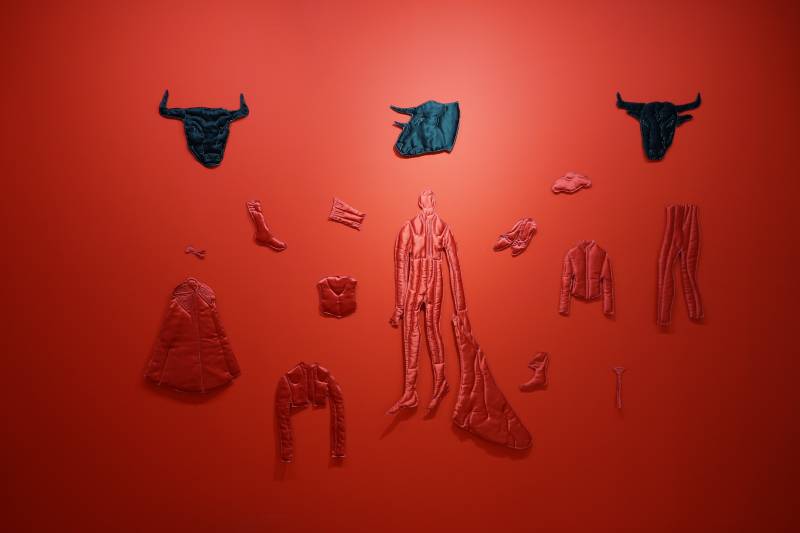
La Chambre du matador, Darius Dolatyari-Dolatdoust, 2023
La Chambre du Matador (The Matador's Chamber), Darius Dolatyari-Dolatdoust (textile installation), 2023 / Villa Medici
The artist lays out the matador’s wardrobe and observes it as an entomologist pins the shimmering wings of a butterfly to a board. The virile and domineering image of the archetype appears as a deeply ambiguous figure: exaggerated masculinity defying death blends with a flamboyant silhouette.
On view at the José Cabanis Media Library
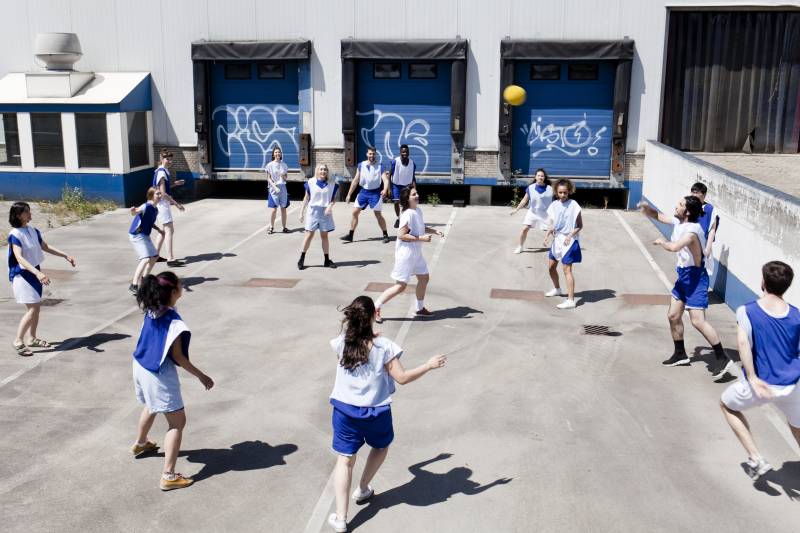
Multiform, Gabriel Fontana, 2019 (protocol) / Villa Albertine
Multiform is a new team sport that offers an alternative way to explore and teach the concepts of empathy and social inclusion. Using sport as a metaphor, this project provides a new way to understand societal dynamics. In this game featuring three teams, players wear transformable athletic uniforms that evolve over the course of the game, encouraging them to switch teams multiple times. By allowing for these constant shifts, the game challenges the idea of fixed, binary allegiances. Team identity is no longer conceived as a closed boundary separating two opposing sides, but as a fluid, relational ecosystem based on interdependence.
On view at the José Cabanis Media Library
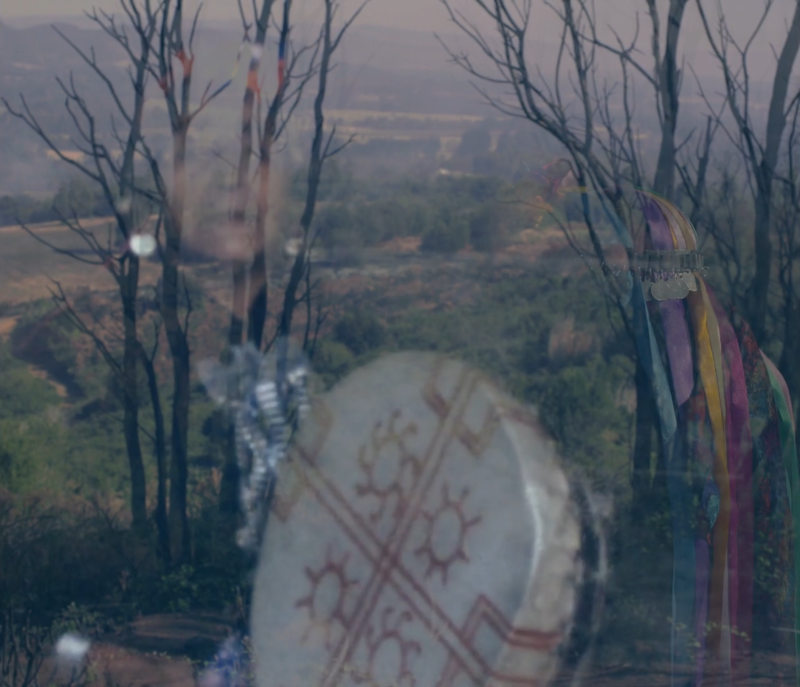
Antu Liwen, canto de resistencia, Juan Francisco González, 2020
Antu Liwen, Song of Resistance (Antu Liwen, Song of Resistance), Juan Francisco González, 2020 (film) / Casa de Velázquez
On the peaks of the Chilean mountains, the sound of drums echoes through the clearing. Antu Liwen, a mestizo singer, recounts her childhood and her connection to Mapuche identity. Her personal experience bears witness to the historical traumas endured by this community and its resistance. After being denied the right to learn and speak her community’s language—out of fear that her mother would face discrimination later in life—Antu Liwen embraces her identity and reconnects with her heritage and her land.
This film is a collaboration between Juan Francisco González, Diego Sarmiento Pagán, and Paula Compagnucci, as part of the Museo a Cielo Abierto Ercilla.
On view at the José Cabanis Media Library
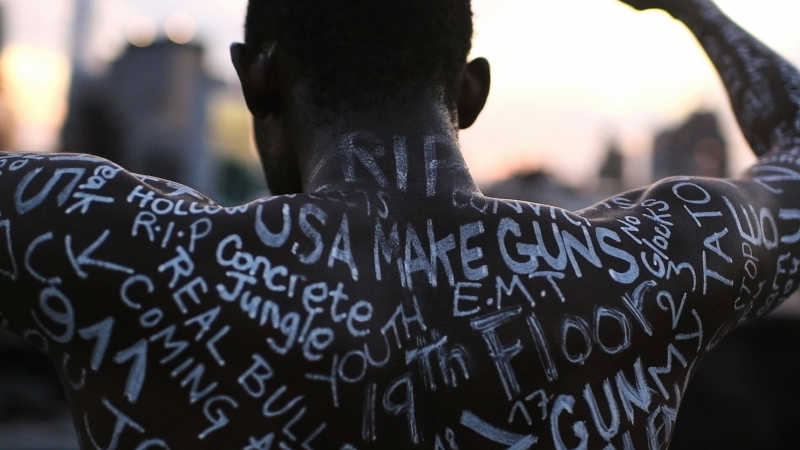
Never 21, Smail Kanouté, 2012
Never 21, Smail Kanouté, 2012 (film)
Never Twenty One pays tribute to young victims in the United States who will never reach adulthood because of gun violence. This phrase, originating from the Black Lives Matter movement, condemns these premature deaths that plague neighborhoods in New York City, particularly the Bronx. Through the testimonies of victims of the gun sales system, a young dancer cries out his rage, the loss of his loved ones, and his entrapment in this vicious cycle that drives him to gamble with his life. He becomes the scar of these sacrificed lives, of their memories, of their words etched forever in this curse of the number 21.
Available at the José Cabanis Media Library
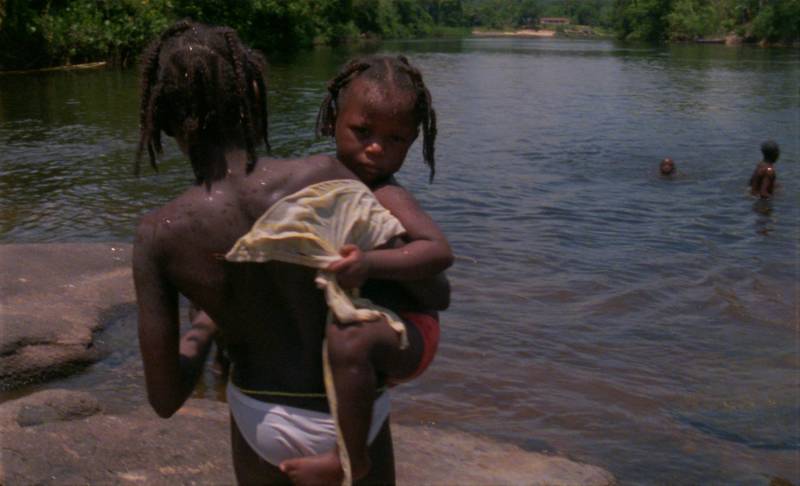
River Rites, Ben Russell, 2011
River Rites, Ben Russell, 2011 (film) / Villa Medici
A surprising little documentary essay, whose mystery and beauty rest on a simple cinematic trick. A river, somewhere in Suriname, a favorite location of director Ben Russell: children and young adults frolic at the water’s edge. From this scene, which borders on the mythical, the filmmaker creates a dance, where the delicacy of human gestures becomes pure movement and rhythm. A cinematic play in the strongest sense of the term, reminiscent of certain films by Maya Deren: or how cinema becomes poetry, the human body a tireless tightrope walker, and a simple dance step a philosophy of life. A lively and luminous short film.
Available at the José Cabanis Media Library
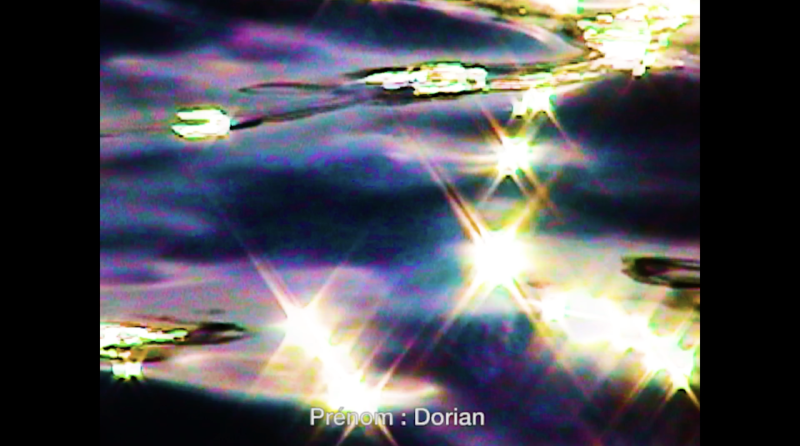
Rotten Sun, Grégoire Schaller, 2024
Rotten Sun, Grégoire Schaller, 2024 (film) / Villa Medici
"Rotten Sun is a tribute to my twin brother, Dorian. In the form of a visual lyric poem, it interweaves the sun’s reflections on the sea, a bullfight scene, and a sunset with a text that attempts to reconstruct the fragmented memory of the events that followed the announcement of his death."
Available at the José Cabanis Media Library
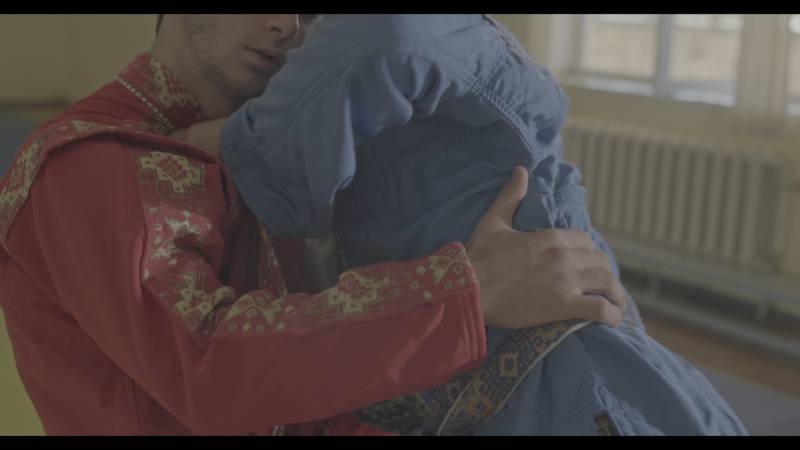
Concentric Circles, Rebecca Topakian, 2026
Concentric Circles (Concentric Circles), Rebecca Topakian, 2026 (video installation) / Villa Kujoyama
Concentric Circles is the first excerpt from a video installation that blends analog and digital techniques. Conceived after witnessing the ethnic cleansing of Armenians in Nagorno-Karabakh, this work explores questions of heritage and transmission. Born from the idea that we have “nothing but our bodies,” in Concentric Circles Topakian examines the micro-gestures of a living heritage—that of folk dance, constantly brought to life by the people who practice it daily—or the kokh, an ancestral form of wrestling considered a ritual dance. What constitutes heritage is not the rule or its rigid notation, but the gesture that unites bodies and is transmitted from one to another in a communal act, a true resistance to erasure.
Available at the José Cabanis Media Library
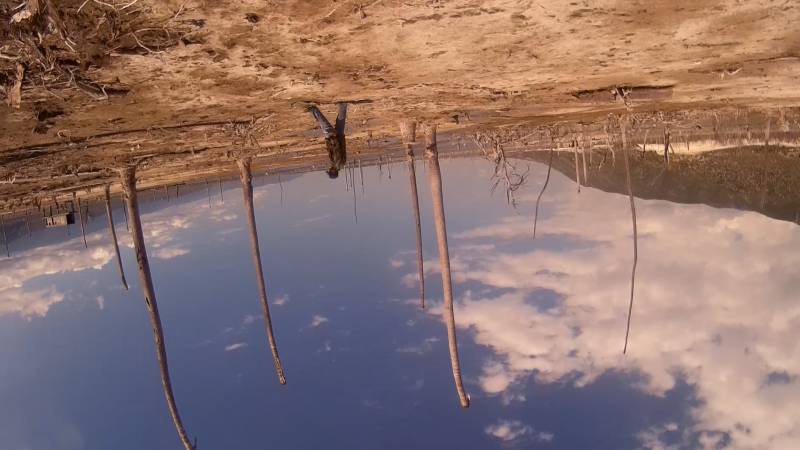
Amérika : Bahía de Las Flechas, Ana Vaz, 2016
Amérika: Bahía de Las Flechas, Ana Vaz, 2016 (film) / Villa Medici
It is said that in 1492, the first European ship captained by Christopher Columbus landed on the coast of Samaná, now known as the Dominican Republic, and was greeted by a hail of arrows fired by the Taíno people. Today, a salt lake named after the Taíno chief Enriquillo bears witness to profound ecosystemic changes that have led to significant migrations of animal species, forced displacement, and a brutal expansion of the coral desert, revealing the lake’s geological past. Using the camera as an arrow, a foreign body, Amérika: Bahía de las Flechas seeks ways to animate, to make this gesture vibrate anew in the present—arrows against this perpetual “lead-heavy sky.”
Available at the José Cabanis Media Library
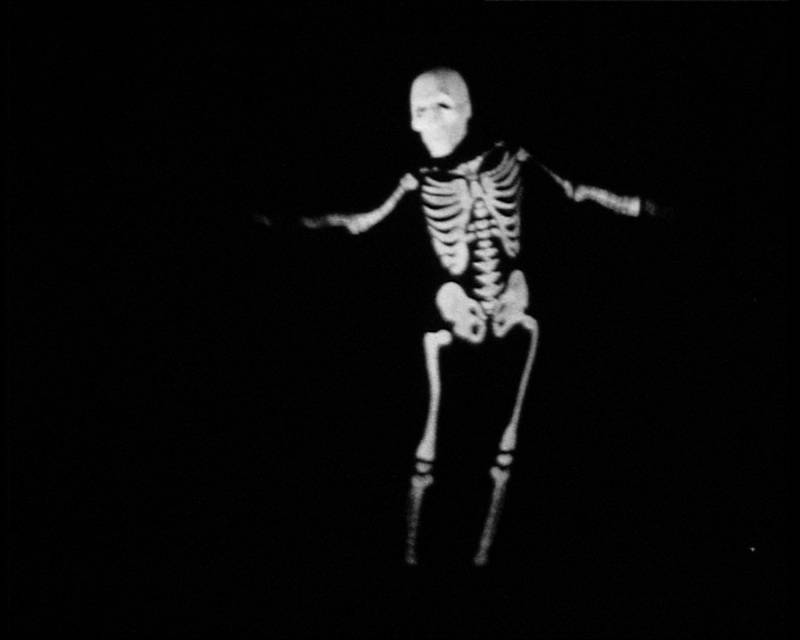
Tanz makaber, Ulla Von Brandenburg, 2006
Tanz makaber (Dance of Death), Ulla Von Brandenburg, 2006 (video installation) / Villa Kujoyama
The earliest optical inventions began by depicting death or ghosts. Through these inventions, people sought to make the invisible visible. Since the Middle Ages, death has been depicted as a fate shared by the poor and the rich, the noble and the commoner. In the face of death, we are all equal. Thus, ultimately, death mocks itself and indulges in a dance of self-mockery.
Available at the José Cabanis Media Library
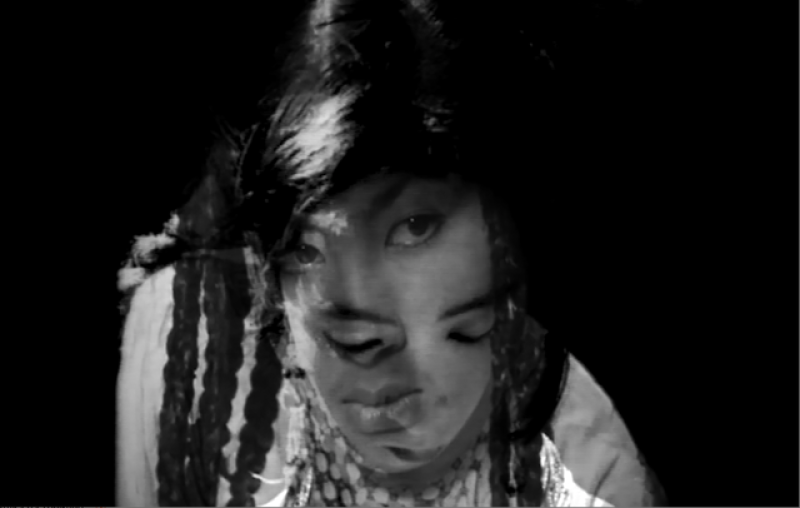
Her Right, Saodat Ismailova, 2020
Her Right, Saodat Ismailova, 2020 (film)
Her Right opens with a text written in Old Uzbek (Arabic script), which translates as follows: “The Hujum movement was a Soviet political campaign launched in 1924. It aimed to liberate local women. This campaign had dramatic consequences for Uzbek women, caught between the traditions of their society and the ideals of a foreign state. This film is dedicated to the memory of the women who sacrificed their lives for the freedom of Uzbek women today.”
On view at the IPN Artists’ Studio.
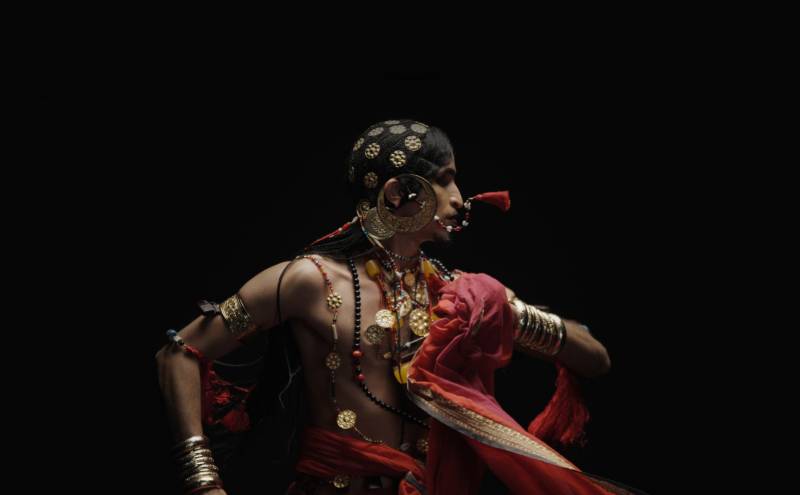
Talitin, Ahmed Umar ©Jakob H Svensen
Talitin تَـالِـتِن - (The Third), Ahmed Umar (in collaboration with Alsarah), 2023 (video installation and performance)
Talitin تَـالِـتِن (The Third) is a reinterpretation of the Sudanese wedding dance. This rite of passage is performed during the traditional Sudanese wedding ceremony in northern Sudan. At the heart of the region’s wedding traditions, the bride dances to showcase her beauty, wealth, fertility, and vitality. This meticulously choreographed performance, which typically lasts several hours, takes place on the final day of the seven-day festivities. Through complex movements and numerous costume changes, the dance narrates the journey from engagement to marriage, accompanied by songs celebrating the bride, her family, the groom, and his family.
On view at Garage Bonnefoy.
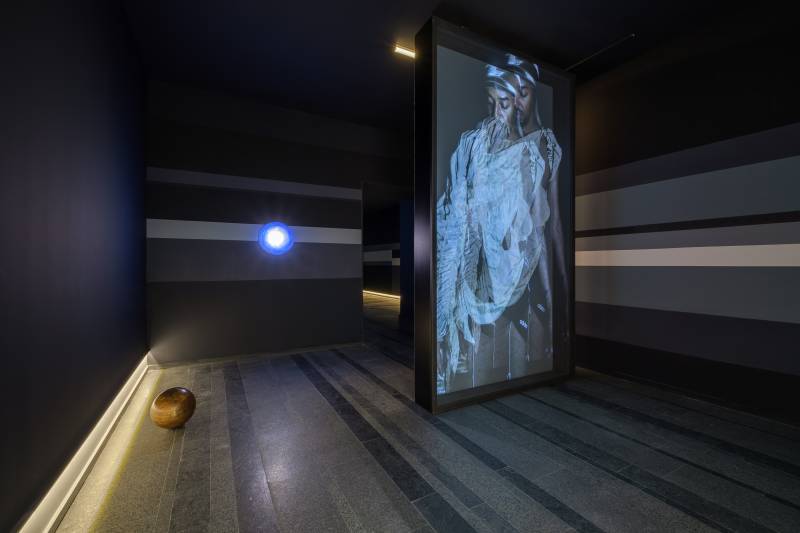
When the bodies dissolved into the ether, the orbs sang notes of the heavens, 2021, Paul Maheke
When the bodies dissolved into the ether, the orbs sang notes of the heavens, 2021, Paul Maheke (video installation) / Villa Médicis
Each planet emits a sound: a melody unique to itself. Used by some as a healing tool, the frequencies emitted by planets, stars, and pulsars have played a decisive role in the discovery of our galaxy. Although the work takes radio astronomy as a starting point to reflect on our earthly experience of the cosmos, it largely explores the poetics of a body dancing to the sound of the Moon. Paul Maheke uses choreographic material from his performances in which he explores the principles of circularity and renewal found in ancient Kongo cosmology or the writings of Édouard Glissant.
On view at Garage Bonnefoy
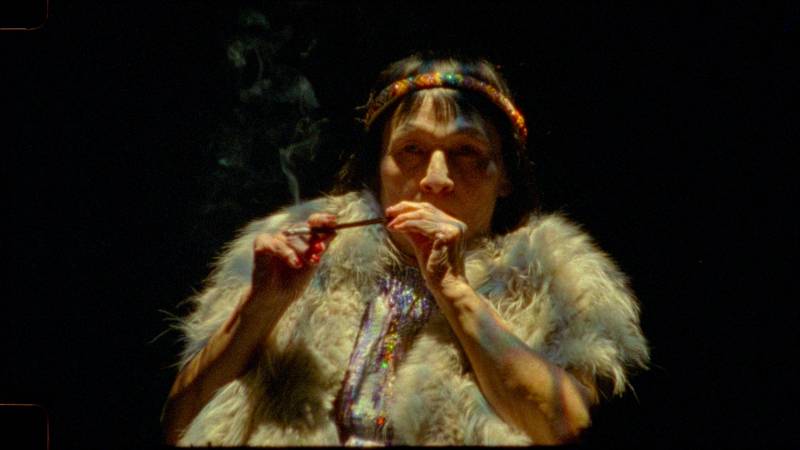
PIDIKWE (Rumble), Caroline Monnet, 2025
PIDIKWE (Rumble), Caroline Monnet, 2025 (film)
Pidikwe brings together Anishinaabe women (Indigenous peoples of North America) from different generations in a whirlwind of traditional and contemporary dance. By subverting the idealized representations of early cinema and the colonial exploitation of the female body, the artist creates a space for reappropriation and self-determination.
On view at the Bonnefoy Cultural Center
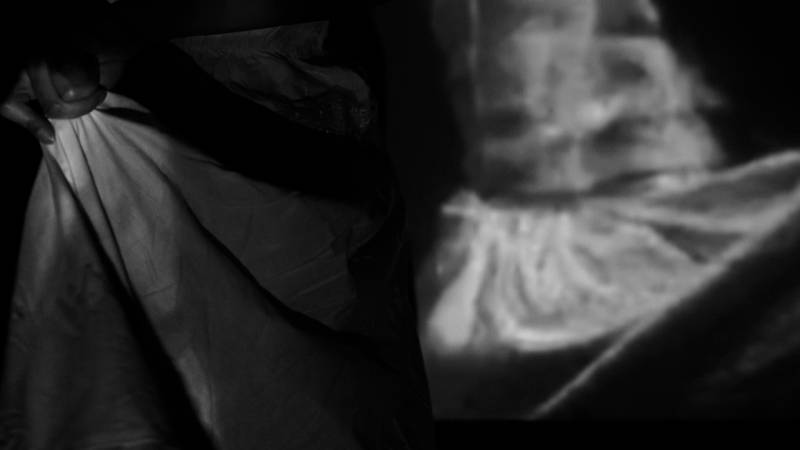
Sous le ciel des fétiches, Caroline Déodat, 2023 ©ADAGP Paris
Sous le ciel des fétiches (Under the sky of fetishes), Caroline Déodat, 2023 (video installation) / Villa Médicis
The artist revisits the spectres of a haunting gaze to tell the story of Mauritian sega—a dance and music tradition born during the era of slavery within communities of fugitives. How can one project—literally bring out of oneself—the aggressor’s narrative?
On view at Herbes Folles.
Dates
-
29 May to 28 June
Médiathèque José Cabanis -
29 May to 28 June
Garage Bonnefoy / PPA -
29 May to 20 September
Centre Culturel Bonnefoy & Jardin Michelet -
29 May to 28 June
Les Herbes Folles -
29 May to 28 June
Atelier d’artistes IPN